
Subcontractor Mortgages: Expert Help Getting the Mortgage You Deserve
Subcontractor Mortgages
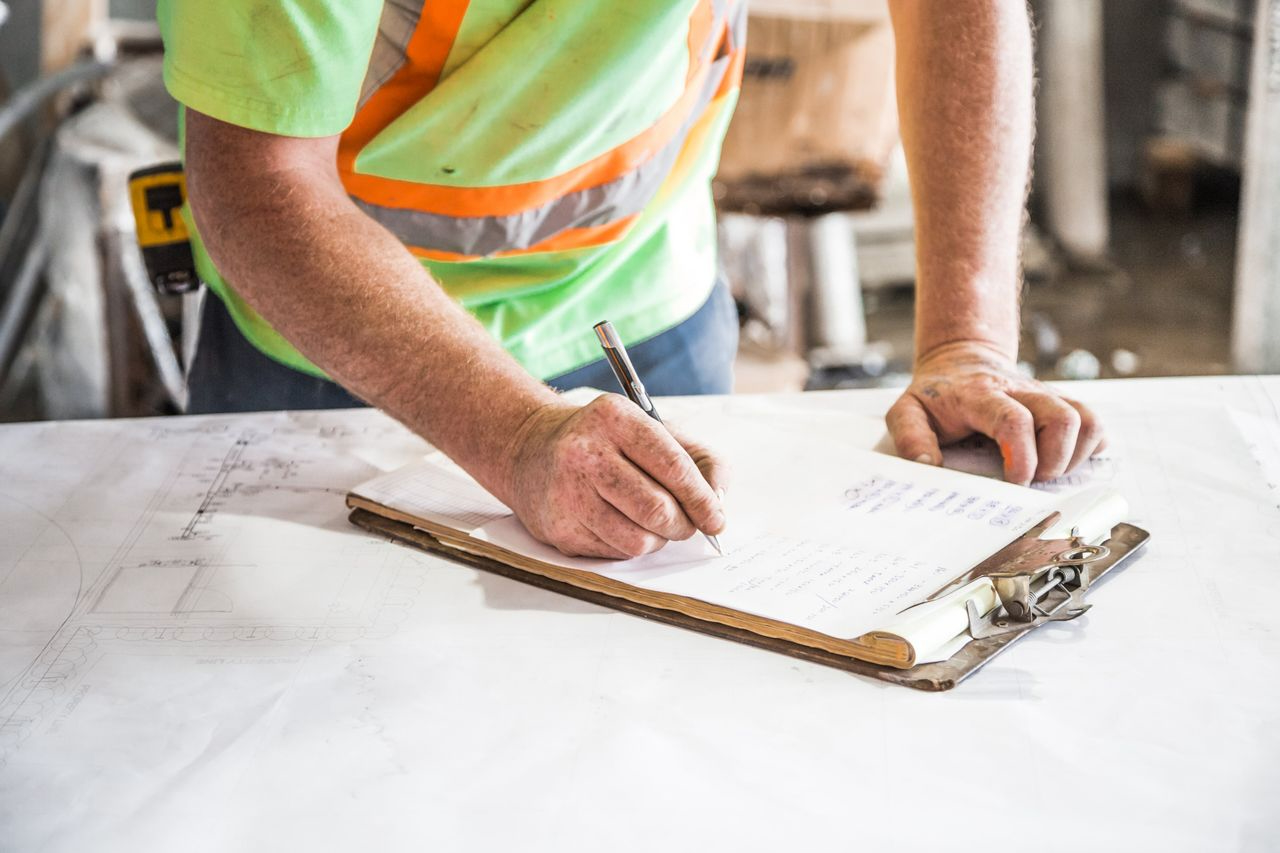
Getting a subcontractor mortgage can be more challenging due to CIS income and irregular earnings, but the right support can make all the difference.
At Bell Financial Solutions, we specialise in helping those with complex income secure the mortgage they deserve.
We’re all ears.
Let’s have a chat about what you need and how we can help.

What Is a Subcontractor Mortgage?
A subcontractor mortgage is a specialised mortgage for contractors and self-employed individuals who work in the construction industry. It helps those who are part of the UK’s Construction Industry Scheme (CIS) or have irregular earnings.
Can Subcontractors Get a Mortgage?
Yes, a subcontractor can absolutely get a mortgage with proof of a stable income. Specialist lenders and brokers can advise you on how to show a track record of income and the best mortgage lender for your situation. Bell Financial Solutions works with a wide panel of lenders who understand subcontractor income and can guide you throughout the process.
How Do Lenders Assess Subcontractor Income?
There are two approaches lenders use for subcontractor mortgages, and they are:
Traditional Self-Employed Assessment
Some lenders might treat you like a self-employed individual, but this can limit your borrowing potential. For insight into what you need for this type of mortgage, browse self-employed mortgages.
Payslip-Based Assessment
Other lenders might assess your income based on your gross CIS earnings over the last 3-12 months of payslips. This approach is useful if you have only recently started subcontracting or do not yet have a full year of accounts.
What Documents Do You Need to Apply for a Subcontractor Mortgage?
There are several documents you should have ready when looking at mortgages for subcontractors.
- ID: This will be a photo ID, such as a passport or a driver's licence.
- Proof of address: Recent bank statements, such as utility bills or council tax bills (usually from the last three months).
- Proof of income: Payslips and/or bank statements covering the last 3–12 months.
- CIS documents: SA302 tax calculations, as well as Tax Year Overviews from HMRC, if you work under the Construction Industry Scheme.
- Work history: Employment contracts, old P60s, or other records that show subcontracting history.
- Proof of deposit: Evidence of savings or gifted funds, but this won’t be necessary if applying for a no-deposit mortgage.
The type of documentation required will depend on whether you’re considered for a self-employed or CIS mortgage. Plus, the documents needed can differ from lender to lender.
Why Use Bell Financial Solutions for Your Subcontractor Mortgage?
At Bell Financial Solutions, our team understands that mortgages for subcontractors can face more challenges than traditional mortgages. With access to a wide range of specialist lenders, our advisers can offer personalised support to make your process as stress-free as possible.
Get in touch today!
Let’s have a chat about what you need and how we can help.
Still have questions?
How much can a subcontractor borrow?
You can borrow between 4 and 5 times the amount of your annual salary, but this can depend on the size of your deposit and credit history.
How much deposit is needed for a subcontractor mortgage?
Similar to standard mortgage deposits, a subcontractor mortgage will usually need a minimum of 5 to 10% of the property price. However, this is subject to lending criteria, and putting down 10% to 15% deposit can help you access better rates.
Can I get a subcontractor mortgage with bad credit?
Yes, you can still get a subcontractor mortgage with bad credit, but it's important to be transparent about any credit issues and the reasons behind them with your advisor. It’s worth printing off credit reports, ready to talk to an expert. Learn more about your options with bad credit mortgages.
Do subcontractors need a specific length of service to be eligible for a mortgage?
It can depend on the lender. Some lenders will accept CIS payslips from the last three months, so getting a mortgage is still possible. However, if you fall under other types of self-employment, you will generally need at least one year's record of income.
Are mortgages for subcontractors subject to higher interest rates?
No, mortgages for subcontractors don’t lead to higher interest rates. You will have the same interest rates as those in other traditional employment and self-employment would get. To gain a better understanding of how mortgage rates are calculated, read our guide on how mortgage interest rates work.
We’re all ears.
Let’s have a chat about what you need and how we can help.


